
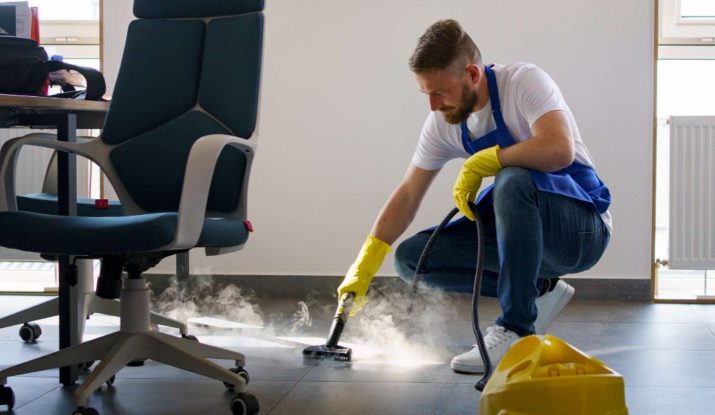
How Often Should Each Area of a Dubai Office Be Cleaned? (Complete Frequency Guide)
A clean office is essential for productivity, employee health, and creating a professional impression for visitors. In a busy business hub like Dubai, offices experience constant foot traffic from employees, clients, and vendors. Without a proper cleaning schedule, dust, germs, and clutter can quickly build up and affect both workplace hygiene and employee comfort.
This is why businesses should follow a proper office cleaning frequency plan for different areas of the workplace. Not every part of the office needs to be cleaned at the same time. Some spaces require daily cleaning, while others can be cleaned weekly or monthly, depending on their usage.
This guide explains the recommended office cleaning frequency for different areas of a Dubai office so businesses can maintain a healthy and professional work environment.
Why Regular Office Cleaning is Important
Regular office cleaning is not only about appearance. It also helps maintain hygiene and prevents the spread of bacteria in shared workplaces. Offices that follow a proper, well-designed office cleaning frequency schedule are more organized, healthier, and more comfortable for employees.
A structured cleaning plan helps businesses:
- Maintain a professional image for clients
- Reduce employee sick days
- Improve indoor air quality
- Extend the life of office furniture and carpets
- Create a comfortable and productive workspace
With Dubai’s dusty climate and busy commercial buildings, maintaining the right office cleaning frequency becomes even more important for workplaces.
Complete Office Cleaning Frequency Guide
Below is a simple breakdown of the recommended office cleaning frequency for different areas in a typical office.
1. Reception Area and Lobby
Recommended Cleaning Frequency: Daily
The reception area is the first space visitors see when they enter your office. A well-maintained reception creates a strong first impression.
Daily tasks include:
- Dusting reception desks and furniture
- Vacuuming carpets or mopping floors
- Cleaning glass doors and partitions
- Sanitizing door handles and frequently touched surfaces
Because of high foot traffic, the reception area requires a strict office cleaning frequency to maintain cleanliness and professionalism.
2. Workstations and Employee Desks
Recommended Cleaning Frequency: 2–3 times per week
Employee desks can quickly accumulate dust, fingerprints, and germs, especially in shared workspaces.
Cleaning tasks include:
- Wiping desk surfaces
- Sanitizing keyboards, phones, and mouse devices
- Dusting monitors and office equipment
- Cleaning chairs and armrests
Maintaining a proper office cleaning frequency for workstations helps reduce germs and improve employee comfort.
3. Meeting Rooms and Conference Rooms
Recommended Cleaning Frequency: Daily or After Each Use
Meeting rooms are often used for internal discussions, presentations, and client meetings.
Cleaning tasks include:
- Wiping meeting tables
- Cleaning chairs and armrests
- Sanitizing remote controls and presentation devices
- Cleaning whiteboards and glass boards
Because these spaces are shared by many people, they should follow a regular office cleaning frequency to maintain hygiene.
4. Office Floors and Carpets
Recommended Cleaning Frequency: Daily for high-traffic areas
Floors collect dirt, dust, and debris throughout the day.
Typical cleaning routine:
- Vacuum carpets daily in busy areas
- Mop hard floors daily or every other day
- Deep clean carpets every 3–6 months
Following the right office cleaning frequency for floors also improves indoor air quality and reduces dust buildup.
In Dubai offices, where sand and dust can easily enter buildings, regular floor cleaning is especially important.
5. Pantry and Break Room
Recommended Cleaning Frequency: Daily
Office kitchens and break rooms are among the most frequently used spaces in the workplace.
Daily cleaning tasks include:
- Cleaning kitchen counters
- Wiping appliances like microwaves and refrigerators
- Sanitizing sinks and taps
- Removing food waste
- Cleaning dining tables and chairs
Maintaining the correct office cleaning frequency in food preparation areas helps prevent bacteria and unpleasant odors.
6. Restrooms
Recommended Cleaning Frequency: Multiple Times Per Day
Office restrooms require the highest level of hygiene.
Cleaning tasks include:
- Disinfecting toilets and sinks
- Cleaning mirrors and surfaces
- Restocking soap, tissues, and paper towels
- Mopping floors
- Sanitizing door handles and faucets
Restrooms should always follow a strict, office cleaning frequency to maintain hygiene and ensure employee comfort.
7. High-Touch Surfaces
Recommended Cleaning Frequency: Daily
High-touch areas are one of the most common sources of germ transmission in offices.
These include:
- Door handles
- Light switches
- Elevator buttons
- Handrails
- Shared printers
- Coffee machines
These surfaces should be disinfected daily as part of the office’s cleaning frequency plan to prevent the spread of germs.
8. Windows and Glass Partitions
Recommended Cleaning Frequency: Weekly or Bi-Weekly
Clean windows and glass partitions make offices look brighter and more professional.
Cleaning tasks include:
- Removing fingerprints from glass
- Cleaning partitions
- Dusting window frames
- Cleaning blinds
Following the right office cleaning frequency helps maintain a polished office environment.
9. Deep Office Cleaning
Recommended Frequency: Every 3–6 Months
Even with daily cleaning, certain areas require deeper maintenance.
Deep cleaning tasks may include:
- Carpet shampooing
- Cleaning air vents
- Washing walls and baseboards
- Cleaning behind furniture
- Detailed appliance cleaning
Deep cleaning is an important part of maintaining the overall office cleaning frequency for long-term hygiene.
Factors That Affect Office Cleaning Frequency
Every workplace is different, so the ideal office cleaning frequency may vary based on several factors:
- Office size – Larger offices require more frequent cleaning
- Foot traffic – Client-facing workplaces need daily cleaning
- Industry type – Some industries require stricter hygiene standards
- Office layout – Open workspaces may accumulate dust faster
Understanding these factors helps businesses create an effective cleaning schedule.
Conclusion
Maintaining a clean office is essential for employee health, productivity, and creating a positive impression for clients. Different areas of the workplace require different cleaning schedules, and following the right office cleaning frequency ensures every space remains hygienic and well-maintained.
From reception areas and workstations to restrooms and break rooms, having a proper cleaning plan helps businesses maintain a professional and comfortable environment. For companies in Dubai looking for reliable and professional cleaning solutions, Reliable Dreams provides expert services designed to maintain a clean, healthy, and productive workplace.